
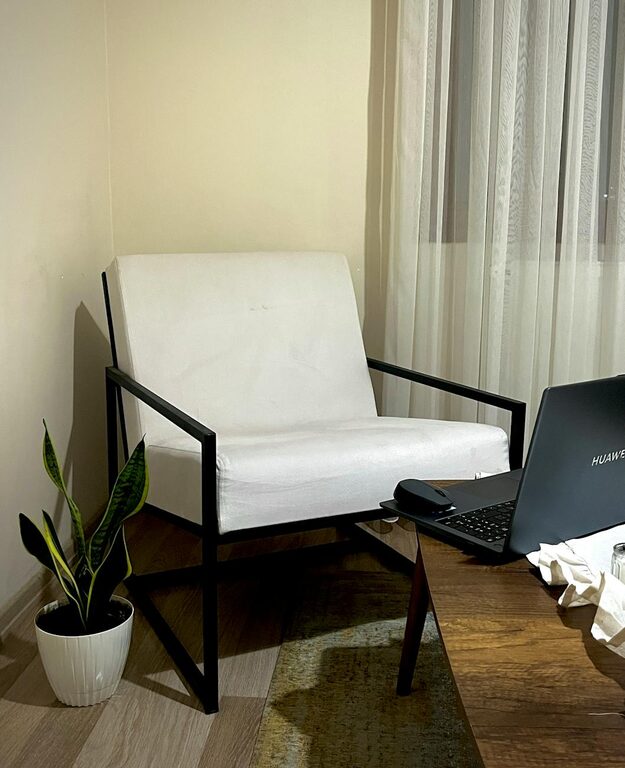
Creating a relaxing home workspace is essential for anyone working remotely or spending extended periods on tasks at home. A calm, well-organized environment not only helps reduce stress but also improves focus, creativity, and productivity. Whether you have a dedicated room or just a corner in your living space, you can design a home workspace that feels both comfortable and inspiring. In this post, we’ll explore practical steps to help you build a relaxing and efficient home office setup.
Why a Relaxing Workspace Matters
Your workspace greatly influences how you feel and perform during your workday. Clutter, poor lighting, or uncomfortable furniture can lead to distractions, fatigue, and decreased motivation. Conversely, a space designed for relaxation and focus fosters a positive mindset, helps manage stress, and allows your creativity to flourish.
Step 1: Choose the Right Spot
Finding the best location for your workspace is the foundation of a relaxing setup.
– Natural Light: Pick a spot near a window if possible. Natural sunlight uplifts mood and reduces eye strain.
– Quiet Zone: Choose a place with minimal noise and foot traffic to help you concentrate.
– Dedicated Area: If space allows, designate one area exclusively for work to create a clear boundary between your job and home life.
Step 2: Invest in Comfortable Furniture
Comfort is key to staying productive and relaxed throughout the day.
– Ergonomic Chair: Select a chair that supports your back and encourages good posture.
– Height-Appropriate Desk: Make sure your desk height allows your arms to rest comfortably while typing or writing.
– Adjustable Elements: Furniture with adjustable height or tilt options helps cater to your unique needs.
Step 3: Optimize Lighting
Good lighting reduces eye fatigue and improves your overall ambiance.
– Layered Lighting: Combine natural light with a desk lamp and overhead light to avoid harsh shadows.
– Soft, Warm Bulbs: Choose bulbs that emit warm, soft light, which is easier on the eyes and creates a cozy atmosphere.
– Positioning: Avoid glare on your screen by placing light sources at angles rather than directly behind or in front of your monitor.
Step 4: Declutter and Organize
A tidy workspace promotes mental clarity and reduces distractions.
– Minimal Essentials: Keep only necessary items on your desk.
– Storage Solutions: Use shelves, drawers, and organizers to store supplies out of sight.
– Cable Management: Tidy cables with clips, sleeves, or ties to maintain a clean look.
Step 5: Personalize with Calming Elements
Adding personal touches can make your workspace inviting and soothing.
– Plants: Incorporate greenery to improve air quality and provide a calming visual.
– Artwork: Hang simple, inspiring art or photos that make you happy.
– Soft Textiles: Include cushions or rugs to add warmth to the space.
Step 6: Incorporate Relaxing Sounds and Scents
Your senses have a powerful effect on relaxation and concentration.
– Background Music: Play gentle instrumental or nature sounds to maintain focus.
– Aromatherapy: Use scented candles or essential oil diffusers with calming scents like lavender or eucalyptus.
Step 7: Set Clear Boundaries
Separating work time from personal time helps maintain balance.
– Defined Workspace Hours: Establish specific work hours and communicate them to family or housemates.
– End-of-Day Ritual: Create a routine that signals the end of your workday, such as tidying your desk or shutting down your computer.
– Break Areas: Step away to a different part of your home during breaks to recharge.
Step 8: Maintain Your Space Regularly
Keeping your workspace clean and organized is an ongoing effort.
– Daily Tidying: Spend a few minutes each day clearing your desk.
– Weekly Deep Clean: Dust, vacuum, and sanitize your area on a weekly basis.
– Review Setup: Periodically reassess your workspace arrangement to ensure it continues to meet your needs.
—
Final Thoughts
Designing a relaxing home workspace doesn’t require a large budget or an entire remodel. Small, thoughtful changes can transform any area into a peaceful and productive environment. By focusing on comfort, organization, lighting, and personalization, you’ll create a space that supports your well-being and helps you enjoy your work-from-home experience. Start with one or two of these tips today and watch how your workspace—and mood—improve!