
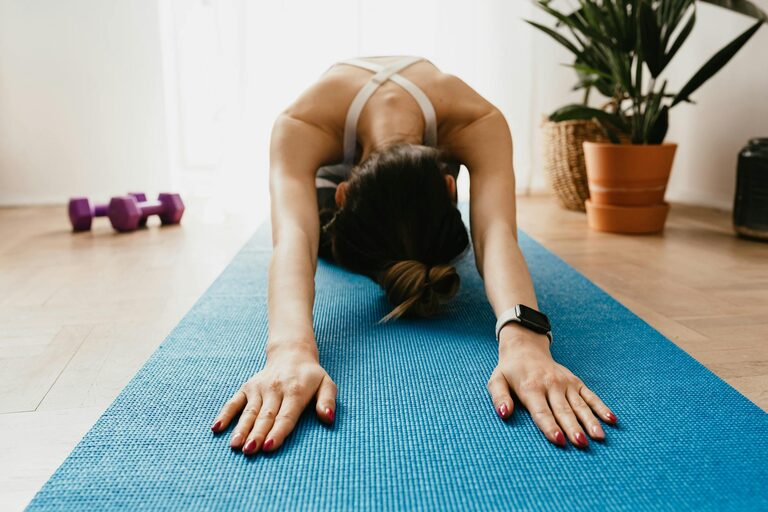
Stretching is a wonderful way to improve your flexibility, relieve muscle tension, and enhance your overall physical health. The good news is you don’t need a gym or any special equipment to start stretching — you can do simple exercises right at home. If you’re new to stretching or looking to build a regular routine, this beginner’s guide will help you get started safely and effectively.
Why Stretching Matters
Stretching isn’t just for athletes or workout enthusiasts. Everyone can benefit from regular stretching. Here are a few reasons why stretching matters:
– Improves flexibility: Regular stretching helps your muscles stay flexible and joints move freely.
– Reduces muscle tension: Stretching can relieve tightness caused by long periods of sitting or repetitive activities.
– Improves posture: Stretching key muscle groups encourages better alignment and posture.
– Enhances blood flow: It increases circulation, which aids in muscle recovery.
– Promotes relaxation: Stretching encourages mindfulness and can reduce stress.
Knowing these benefits can motivate you to incorporate stretching into your daily life.
Getting Started: What You Need
One of the best things about stretching at home is that you need very little to begin. Here’s what you’ll need:
– A comfortable space: Find an area where you have enough room to move freely.
– A yoga mat or soft surface: This can provide cushioning for stretches done on the floor.
– Comfortable clothing: Wear clothes that allow you to move easily.
– A timer or clock: To time your holds (optional but helpful).
You don’t need fancy gear or equipment—just a willingness to make stretching part of your routine.
Basic Guidelines for Safe Stretching
While stretching is generally safe, there are some important practices to follow to avoid injury:
– Warm up first: Stretch after five to ten minutes of light activity like walking to get your muscles warm.
– Don’t bounce: Stretch slowly and steadily. Avoid bouncing or jerking movements.
– Stretch to mild tension: You should feel a gentle pull, not pain.
– Breathe deeply: Relax your body and breathe steadily while holding stretches.
– Hold each stretch for 15-30 seconds: This gives your muscles time to lengthen.
– Listen to your body: If something hurts, ease up or stop.
With these guidelines, you can stretch safely and effectively.
Beginner-Friendly Stretching Routine
Here’s a simple routine designed to stretch major muscle groups. You can do this routine 3-5 times a week or whenever you want to relieve tension.
1. Neck Stretch
– Sit or stand up straight.
– Tilt your head slowly to the right, bringing your ear toward your shoulder.
– Hold for 20 seconds, then switch sides.
– Repeat 2 times on each side.
2. Shoulder Stretch
– Bring your right arm across your chest.
– Use your left hand to gently pull your right arm closer.
– Hold for 20-30 seconds.
– Switch arms and repeat.
3. Chest Stretch
– Interlace your fingers behind your back.
– Straighten your arms and gently lift your chest while squeezing your shoulder blades together.
– Hold for 20-30 seconds.
4. Cat-Cow Stretch (Spine Mobility)
– Start on your hands and knees.
– Inhale as you arch your back, lifting your head and tailbone (Cow).
– Exhale as you round your spine, tucking your chin and pelvis (Cat).
– Repeat 5-8 times smoothly.
5. Seated Forward Fold
– Sit with your legs extended straight in front of you.
– Inhale and lengthen your spine.
– Exhale and gently fold forward from your hips, reaching toward your toes.
– Hold for 30 seconds.
– Keep your knees slightly bent if needed.
6. Butterfly Stretch (Inner Thigh)
– Sit with your feet together and knees bent outward.
– Hold your feet and gently press your knees toward the floor.
– Hold for 20-30 seconds.
7. Hamstring Stretch
– Sit on the floor and extend your right leg.
– Bend your left leg, placing the sole of your foot against your right inner thigh.
– Reach toward your right foot without rounding your back.
– Hold for 20-30 seconds.
– Switch legs.
8. Calf Stretch
– Stand facing a wall.
– Step your right foot back, keeping it flat on the floor.
– Bend your left knee and lean toward the wall.
– Hold for 20-30 seconds.
– Switch sides.
Tips to Make Stretching a Habit
Building a stretching routine that sticks can be easier with these tips:
– Schedule it: Commit to a specific time each day, like after waking up or before bed.
– Start small: Even 5-10 minutes daily can be effective.
– Use reminders: Set alarms or leave notes where you can see them.
– Make it enjoyable: Play calming music or stretch while watching TV.
– Track progress: Notice improvements in flexibility and comfort over time.
When to See a Professional
If you have chronic pain, injuries, or specific health conditions, it’s always a good idea to consult a healthcare professional before starting a new stretching program. A physical therapist can provide personalized guidance suited to your body’s needs.
Final Thoughts
Stretching at home is an accessible, low-cost way to boost your health and comfort. Starting with simple routines and following safe practices will help you gradually improve your flexibility and reduce muscle tension. Remember to be patient with your body—it takes time to see progress, but the benefits are well worth it. So take a few minutes today to stretch, breathe deeply, and enjoy the positive impact on your wellbeing!